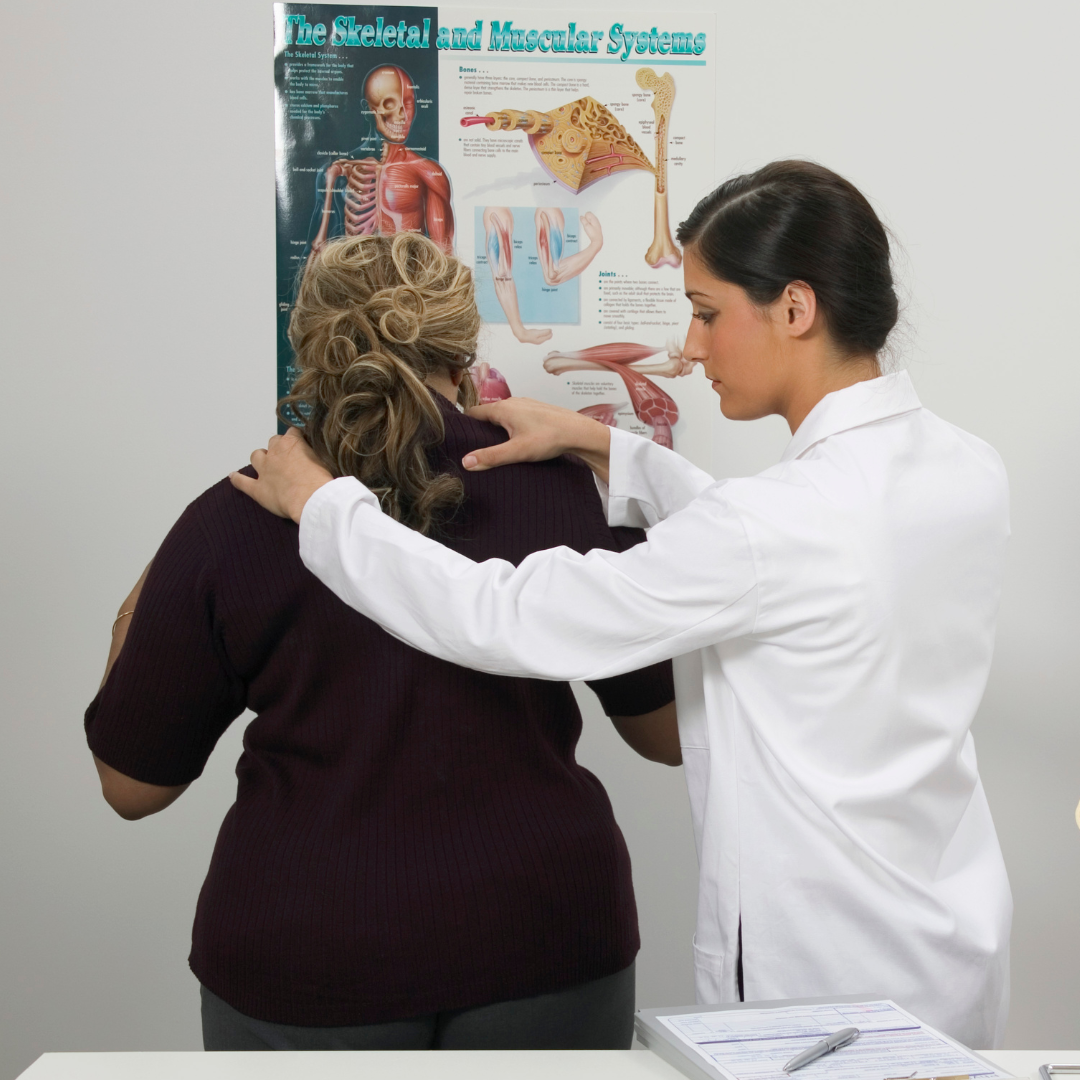
Improve Your Immune System with these15 Powerful Chiropractic Adjustments
The spine and nervous system form the backbone of our [...]
The spine and nervous system form the backbone of our body’s ability to function optimally, including immune responses. Emerging research and clinical observations highlight the connection between spinal health and immune function, suggesting that proper alignment of the spine can enhance the body’s natural defenses. Chiropractic care, which focuses on correcting spinal misalignments (subluxations), plays a pivotal role in supporting immune system resilience. Below are 15 evidence-based chiropractic adjustments designed to promote spinal integrity and, in turn, bolster immunity.
1. Diversified Technique
This manual adjustment involves high-velocity, low-amplitude (HVLA) thrusts to realign vertebrae. By reducing nerve interference in the cervical, thoracic, or lumbar regions, it enhances communication between the central nervous system and immune cells.
2. Activator Method
Using a handheld instrument to deliver precise impulses, this technique targets specific subluxations without manual force. It is particularly effective for improving lymphatic flow, which is vital for immune surveillance.
3. Thompson Drop-Table Technique
This method employs a segmented table with drop pieces that provide controlled resistance during adjustments. It reduces pressure on spinal nerves, supporting the parasympathetic nervous system’s role in immune regulation.
4. Toggle Recoil Adjustment
This gentle, hand-held movement corrects misalignments by leveraging the spine’s natural elasticity. It is often used in the upper cervical region to alleviate stress on the brainstem, a critical area for immune signaling.
5. Cox Technic (Flexion-Distraction)
A gentle, oscillating adjustment performed on a specialized table, this technique decompresses the spine. It is especially beneficial for the thoracic region, where nerves regulate lymphatic activity.
6. Gonstead Technique
A precision-based method using detailed analysis and precise hand adjustments. It addresses subluxations in the lumbar spine, which can affect autonomic nervous system function and immune response.
7. Flexion-Distraction for Lumbar Spine
By gently stretching the lower spine, this adjustment reduces inflammation and improves nerve signaling to organs involved in immunity, such as the lymph nodes and spleen.
8. Neruomuscular Technique (NMT)
This technique combines soft-tissue therapy with spinal adjustments to relieve muscle tension. It improves blood flow and nerve function in the spine, enhancing the body’s ability to combat pathogens.
9. Sacro-Occipital Technique (SOT)
Focusing on the sacrum and occiput, this method corrects misalignments that disrupt cerebrospinal fluid flow. Balanced fluid dynamics support cranial nerve pathways linked to body’s defense function.
10. Relevancement Technique
Originating in France, this gentle technique uses specific hand movements to align vertebrae. It is especially effective for restoring balance in the thoracic region, where nerves connect to lymphatic structures.
11. Kaltenborn Mobilization
A passive, rhythmic movement technique that mobilizes spinal segments. It reduces adhesions in the spinal column, improving nerve conduction to lymphatic organs like the tonsils and thymus.
12. Muscle Energy Technique (MET)
This patient-assisted adjustment uses isometric contractions to correct misalignments. It is particularly useful in the cervical spine, where nerves influence the immune system’s response to upper respiratory infections.
13. Soft Tissue Techniques
Massage-like methods targeting fascia and muscles around the spine. By reducing tension and inflammation, these techniques promote optimal nerve function and lymphatic drainage.
14. Spinal Decompression Therapy
A non-surgical approach using traction to relieve pressure on spinal discs and nerves. It supports the thoracic and lumbar regions, enhancing communication between the nervous and immune systems.
15. Instrument-Based Adjustments
Advanced tools like the Pro Adjuster or Arthrostim deliver calibrated adjustments to multiple spinal areas. These techniques are ideal for addressing subtle subluxations that may affect the body’s cell production in the bone marrow.
How Chiropractic Adjustments Support Immune Function
Chiropractic care fosters immune resilience by:
- Reducing Nerve Interference
Subluxations can block nerve signals between the brain and critical organs. Adjustments restore this communication, enabling the body to detect and respond to threats effectively. - Enhancing Lymphatic Flow
Proper spinal alignment improves the drainage of lymph, a fluid critical for transporting critical cells. - Balancing the Autonomic Nervous System
Adjustments reduce sympathetic (“fight or flight”) overactivity, which can suppress immune function during chronic stress.
Final Thoughts
While no single intervention guarantees immunity, maintaining spinal health through chiropractic care creates an optimal environment for the nervous and immune systems to collaborate. Each adjustment listed above is designed to restore structural and functional integrity, empowering the body’s innate ability to defend against illness. For those seeking a holistic approach to health, consulting a licensed chiropractor can be a valuable step toward long-term immune resilience.
If you’re ready to explore how chiropractic adjustments can strengthen your immune system, consider scheduling a consultation with a qualified practitioner to tailor a care plan to your unique needs.
Read More:
More Lumbar Health
Chiropractic Care
Also Read:
Share this article

A quick overview of the topics covered in this article.
- 1. Diversified Technique
- 2. Activator Method
- 3. Thompson Drop-Table Technique
- 4. Toggle Recoil Adjustment
- 5. Cox Technic (Flexion-Distraction)
- 6. Gonstead Technique
- 7. Flexion-Distraction for Lumbar Spine
- 8. Neruomuscular Technique (NMT)
- 9. Sacro-Occipital Technique (SOT)
- 10. Relevancement Technique
- 11. Kaltenborn Mobilization
- 12. Muscle Energy Technique (MET)
- 13. Soft Tissue Techniques
- 14. Spinal Decompression Therapy
- 15. Instrument-Based Adjustments
- How Chiropractic Adjustments Support Immune Function
- Final Thoughts
Latest articles

March 18, 2025

November 8, 2025

August 5, 2025

December 15, 2025




Improve Your Immune System with these15 Powerful Chiropractic Adjustments
The spine and nervous system form the backbone of our [...]
The spine and nervous system form the backbone of our body’s ability to function optimally, including immune responses. Emerging research and clinical observations highlight the connection between spinal health and immune function, suggesting that proper alignment of the spine can enhance the body’s natural defenses. Chiropractic care, which focuses on correcting spinal misalignments (subluxations), plays a pivotal role in supporting immune system resilience. Below are 15 evidence-based chiropractic adjustments designed to promote spinal integrity and, in turn, bolster immunity.
1. Diversified Technique
This manual adjustment involves high-velocity, low-amplitude (HVLA) thrusts to realign vertebrae. By reducing nerve interference in the cervical, thoracic, or lumbar regions, it enhances communication between the central nervous system and immune cells.
2. Activator Method
Using a handheld instrument to deliver precise impulses, this technique targets specific subluxations without manual force. It is particularly effective for improving lymphatic flow, which is vital for immune surveillance.
3. Thompson Drop-Table Technique
This method employs a segmented table with drop pieces that provide controlled resistance during adjustments. It reduces pressure on spinal nerves, supporting the parasympathetic nervous system’s role in immune regulation.
4. Toggle Recoil Adjustment
This gentle, hand-held movement corrects misalignments by leveraging the spine’s natural elasticity. It is often used in the upper cervical region to alleviate stress on the brainstem, a critical area for immune signaling.
5. Cox Technic (Flexion-Distraction)
A gentle, oscillating adjustment performed on a specialized table, this technique decompresses the spine. It is especially beneficial for the thoracic region, where nerves regulate lymphatic activity.
6. Gonstead Technique
A precision-based method using detailed analysis and precise hand adjustments. It addresses subluxations in the lumbar spine, which can affect autonomic nervous system function and immune response.
7. Flexion-Distraction for Lumbar Spine
By gently stretching the lower spine, this adjustment reduces inflammation and improves nerve signaling to organs involved in immunity, such as the lymph nodes and spleen.
8. Neruomuscular Technique (NMT)
This technique combines soft-tissue therapy with spinal adjustments to relieve muscle tension. It improves blood flow and nerve function in the spine, enhancing the body’s ability to combat pathogens.
9. Sacro-Occipital Technique (SOT)
Focusing on the sacrum and occiput, this method corrects misalignments that disrupt cerebrospinal fluid flow. Balanced fluid dynamics support cranial nerve pathways linked to body’s defense function.
10. Relevancement Technique
Originating in France, this gentle technique uses specific hand movements to align vertebrae. It is especially effective for restoring balance in the thoracic region, where nerves connect to lymphatic structures.
11. Kaltenborn Mobilization
A passive, rhythmic movement technique that mobilizes spinal segments. It reduces adhesions in the spinal column, improving nerve conduction to lymphatic organs like the tonsils and thymus.
12. Muscle Energy Technique (MET)
This patient-assisted adjustment uses isometric contractions to correct misalignments. It is particularly useful in the cervical spine, where nerves influence the immune system’s response to upper respiratory infections.
13. Soft Tissue Techniques
Massage-like methods targeting fascia and muscles around the spine. By reducing tension and inflammation, these techniques promote optimal nerve function and lymphatic drainage.
14. Spinal Decompression Therapy
A non-surgical approach using traction to relieve pressure on spinal discs and nerves. It supports the thoracic and lumbar regions, enhancing communication between the nervous and immune systems.
15. Instrument-Based Adjustments
Advanced tools like the Pro Adjuster or Arthrostim deliver calibrated adjustments to multiple spinal areas. These techniques are ideal for addressing subtle subluxations that may affect the body’s cell production in the bone marrow.
How Chiropractic Adjustments Support Immune Function
Chiropractic care fosters immune resilience by:
- Reducing Nerve Interference
Subluxations can block nerve signals between the brain and critical organs. Adjustments restore this communication, enabling the body to detect and respond to threats effectively. - Enhancing Lymphatic Flow
Proper spinal alignment improves the drainage of lymph, a fluid critical for transporting critical cells. - Balancing the Autonomic Nervous System
Adjustments reduce sympathetic (“fight or flight”) overactivity, which can suppress immune function during chronic stress.
Final Thoughts
While no single intervention guarantees immunity, maintaining spinal health through chiropractic care creates an optimal environment for the nervous and immune systems to collaborate. Each adjustment listed above is designed to restore structural and functional integrity, empowering the body’s innate ability to defend against illness. For those seeking a holistic approach to health, consulting a licensed chiropractor can be a valuable step toward long-term immune resilience.
If you’re ready to explore how chiropractic adjustments can strengthen your immune system, consider scheduling a consultation with a qualified practitioner to tailor a care plan to your unique needs.
Read More:
More Lumbar Health
Chiropractic Care
Also Read:
Share this article
A quick overview of the topics covered in this article.
- 1. Diversified Technique
- 2. Activator Method
- 3. Thompson Drop-Table Technique
- 4. Toggle Recoil Adjustment
- 5. Cox Technic (Flexion-Distraction)
- 6. Gonstead Technique
- 7. Flexion-Distraction for Lumbar Spine
- 8. Neruomuscular Technique (NMT)
- 9. Sacro-Occipital Technique (SOT)
- 10. Relevancement Technique
- 11. Kaltenborn Mobilization
- 12. Muscle Energy Technique (MET)
- 13. Soft Tissue Techniques
- 14. Spinal Decompression Therapy
- 15. Instrument-Based Adjustments
- How Chiropractic Adjustments Support Immune Function
- Final Thoughts
Latest articles

January 10, 2026

January 5, 2026

March 18, 2025