Alleviate Lower Back Pain with these 15 Essential Yoga Stretches
15 Essential Yoga Stretches to Alleviate Lower Back Pain Lower [...]
15 Essential Yoga Stretches to Alleviate Lower Back Pain
Lower back pain is one of the most common health issues globally, affecting millions of people and often linked to sedentary lifestyles, poor posture, or muscle strain. While medical treatments are essential for severe cases, incorporating yoga into your routine can provide long-term relief. Yoga gently strengthens core muscles, improves flexibility, and promotes posture alignment. Below, we outline 15 yoga stretches that can help reduce lower back discomfort, grouped into three categories for accessibility.
Understanding Lower Back Pain and the Role of Yoga
Chronic or acute lower back pain often stems from tight hip flexors, weak glutes, or a lack of spinal mobility. Yoga addresses these root causes by combining breathwork with mindful movements. Unlike aggressive exercises, yoga emphasizes gradual progression, ensuring safety and effectiveness. By stretching and strengthening key muscle groups, it can reduce inflammation, ease tension, and enhance blood flow to the affected area.
Gentle Yoga Stretches for Immediate Relief
Begin with these poses if you’re experiencing acute pain or new to yoga. They focus on relaxation and releasing tension in the lumbar spine.
- Child’s Pose
This foundational stretch gently folds the body, lengthening the lower back and hip flexors while encouraging deep breathing. - Supine Twist
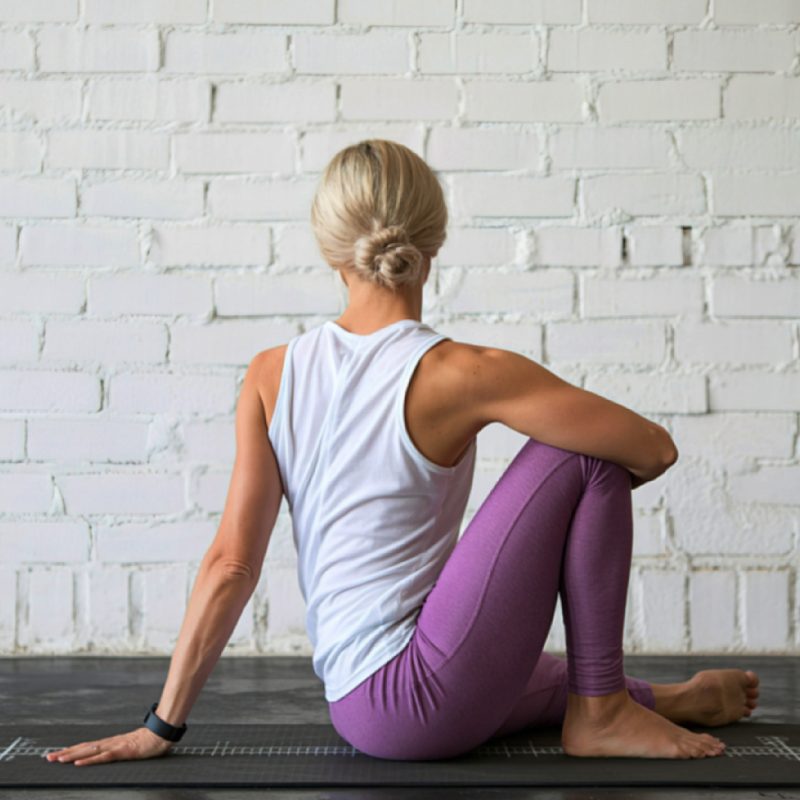
Lie on your back, drop your knees to one side, and let your arms mirror the movement. This twist relieves spinal tightness and eases disc pressure. - Cat-Cow Stretch
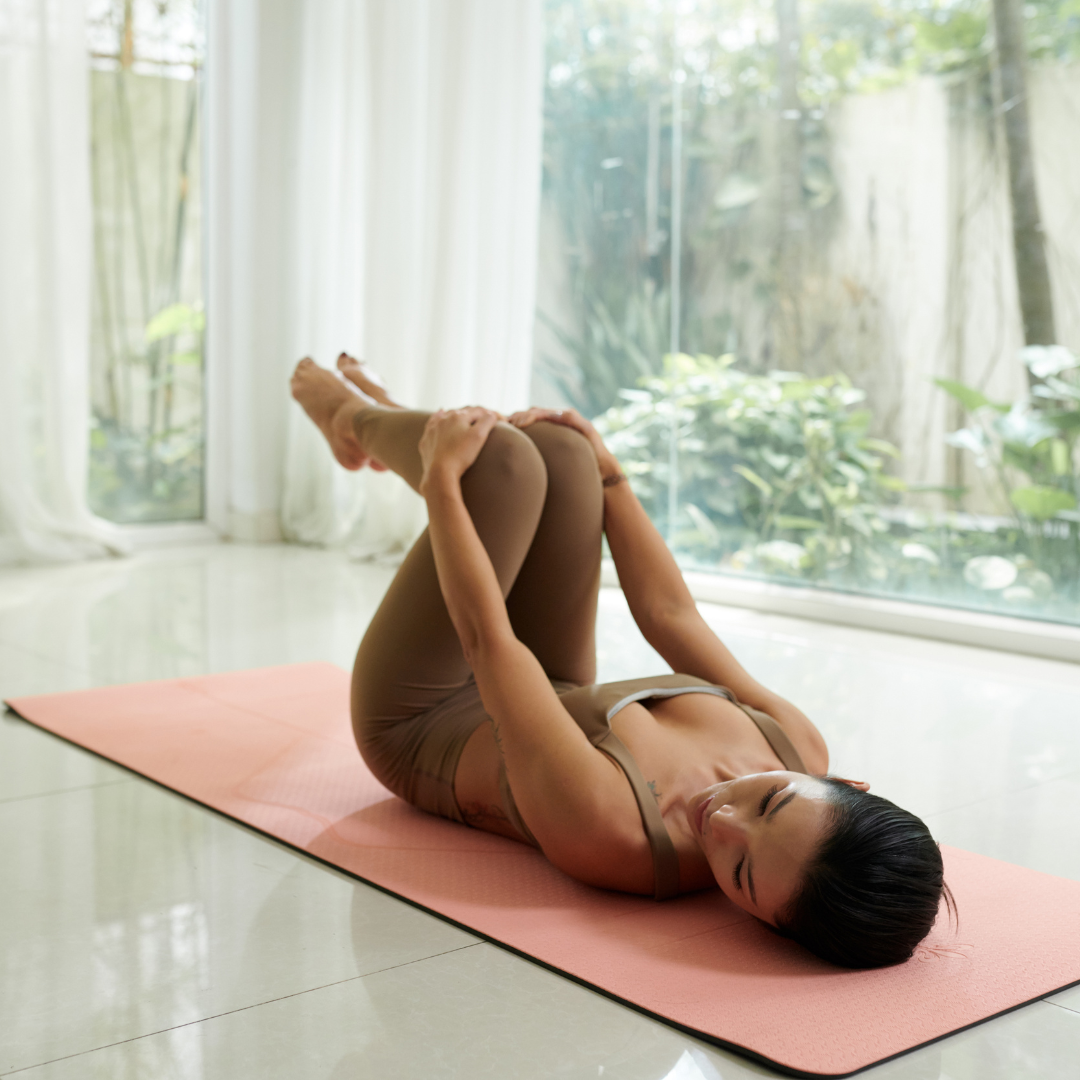
On all fours, alternate between arching your back (cow) and rounding it (cat). This dynamic movement improves spinal flexibility and mobility. - Knees-to-Chest Pose
Lie flat and bring both knees to your chest. This pose gently decompresses the lumbar spine, ideal for end-of-day recovery. - Bridge Pose (Simpler Variation)
Lie on your back, bend your knees, and slowly lift your hips while engaging your glutes. This strengthens the lower back and alleviates stiffness.
Dynamic Poses for Flexibility and Strength
These poses build endurance and balance, targeting muscles that support the spine. Perform them after warming up.
- Downward-Facing Dog
Balance on your hands and feet, forming an inverted V. This stretch elongates the hamstrings and lower back while activating the core. - Forward Fold (Standing) (Ardha Uttanasana)
Bend at the hips with knees slightly bent, allowing gravity to stretch the lower back and release tension. - Pigeon Pose
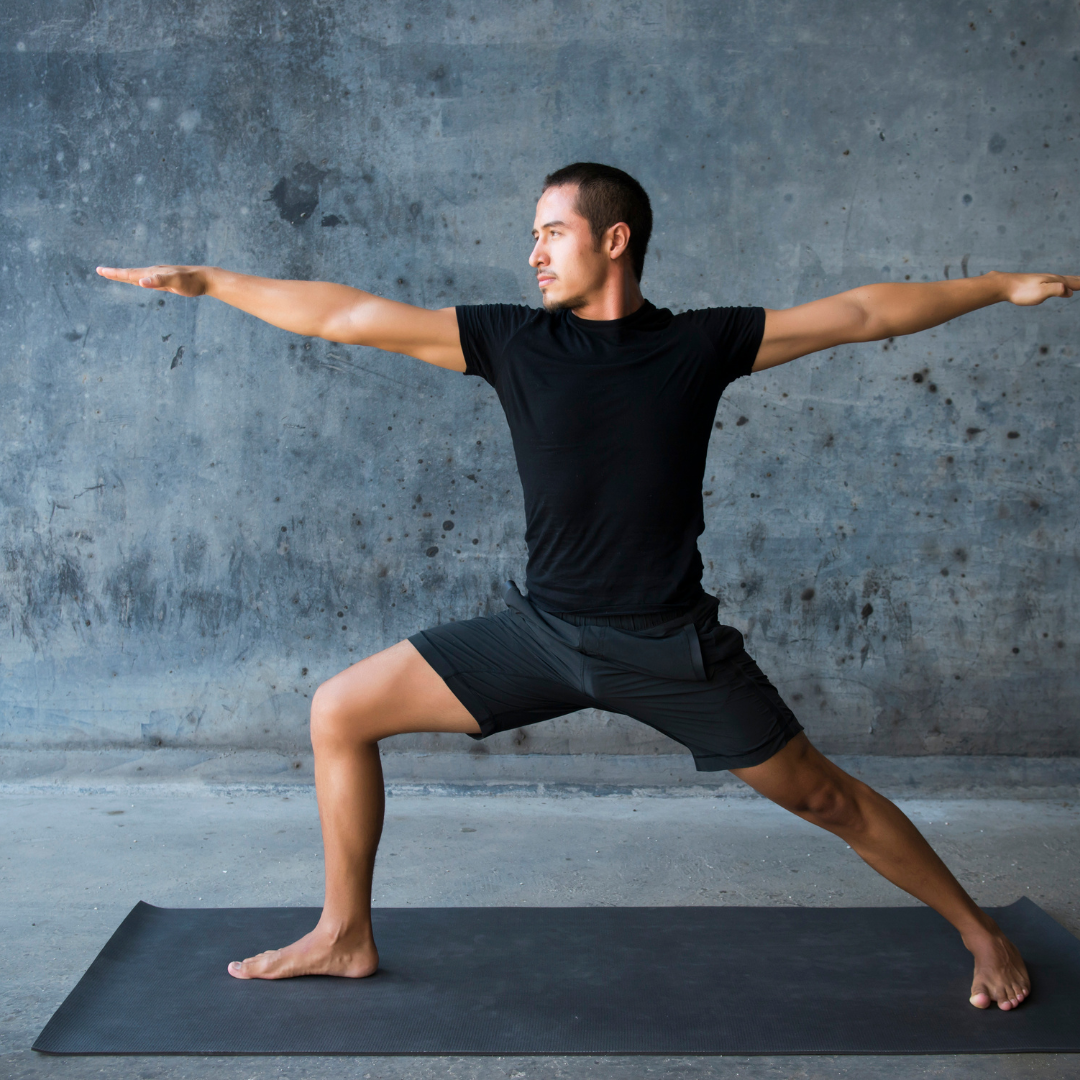
A deep hip opener that relieves tightness in the glutes and piriformis muscle, often a contributor to sciatic discomfort. - Warrior II (Virabhadrasana II)
This stance strengthens the legs and back while improving posture and balance. Ensure your front hip is squared forward to protect the spine. - Reclining Hand-to-Big-Toe Pose
Lie on your back, use a strap around one foot, and gently pull your leg toward you. This pose stretches the hamstring and reduces lower back strain.
Stabilizing Poses for Core Strength and Posture
A strong core is vital for spinal support. These poses focus on building stability to prevent future pain.
- Plank Pose
Engage your core and maintain a straight body line from head to heels. This builds endurance in the transverse abdominis, a key spinal stabilizer. - Forearm Plank
Similar to the plank but gentler on the wrists. Hold for 30 seconds, focusing on exhaling to deepen the core engagement. - Leg Raises
Lie on your back and slowly lift one leg at a time, keeping your lower back pressed to the floor. Strengthens the lower abdominal muscles. - Sphinx Pose
Lie on your stomach, prop up on your elbows, and lift your chest. This gentle backbend strengthens the lower back and shoulders. - Tree Pose (Vrksasana)
Stand on one leg, balance your body, and place the other foot near your inner thigh. This pose improves posture and core stability over time.
Tips for Practicing Safely
- Warm Up First: Avoid jumping into intense poses without warming up. A few rounds of Sun Salutations can prepare your muscles.
- Use Props: Blocks, straps, or blankets can help maintain proper alignment and reduce strain.
- Listen to Your Body: Stop any stretch that increases pain or causes discomfort. Yoga is about progress, not perfection.
- Consistency Matters: Aim for 10–15 minutes daily rather than infrequent, longer sessions.
Conclusion
Incorporating these 15 yoga stretches into your routine can offer significant relief for lower back pain, both in the short and long term. By addressing muscular imbalances and promoting mindful movement, yoga becomes a holistic solution for managing discomfort. However, it’s crucial to consult a healthcare provider if pain persists or worsens. With patience and consistency, these practices can pave the way to a stronger, more resilient body.
Start with one pose from each category, gradually increasing your routine as your flexibility and confidence grow. Your spine will thank you.
Read More:
More Lumbar Health
Chiropractic Care
Also Read:
Share this article
A quick overview of the topics covered in this article.
Latest articles

March 17, 2025
March 18, 2025

March 17, 2025
March 16, 2025

March 18, 2025

December 15, 2025


Alleviate Lower Back Pain with these 15 Essential Yoga Stretches
15 Essential Yoga Stretches to Alleviate Lower Back Pain Lower [...]
15 Essential Yoga Stretches to Alleviate Lower Back Pain
Lower back pain is one of the most common health issues globally, affecting millions of people and often linked to sedentary lifestyles, poor posture, or muscle strain. While medical treatments are essential for severe cases, incorporating yoga into your routine can provide long-term relief. Yoga gently strengthens core muscles, improves flexibility, and promotes posture alignment. Below, we outline 15 yoga stretches that can help reduce lower back discomfort, grouped into three categories for accessibility.
Understanding Lower Back Pain and the Role of Yoga
Chronic or acute lower back pain often stems from tight hip flexors, weak glutes, or a lack of spinal mobility. Yoga addresses these root causes by combining breathwork with mindful movements. Unlike aggressive exercises, yoga emphasizes gradual progression, ensuring safety and effectiveness. By stretching and strengthening key muscle groups, it can reduce inflammation, ease tension, and enhance blood flow to the affected area.
Gentle Yoga Stretches for Immediate Relief
Begin with these poses if you’re experiencing acute pain or new to yoga. They focus on relaxation and releasing tension in the lumbar spine.
- Child’s Pose
This foundational stretch gently folds the body, lengthening the lower back and hip flexors while encouraging deep breathing. - Supine Twist
Lie on your back, drop your knees to one side, and let your arms mirror the movement. This twist relieves spinal tightness and eases disc pressure. - Cat-Cow Stretch
On all fours, alternate between arching your back (cow) and rounding it (cat). This dynamic movement improves spinal flexibility and mobility. - Knees-to-Chest Pose
Lie flat and bring both knees to your chest. This pose gently decompresses the lumbar spine, ideal for end-of-day recovery. - Bridge Pose (Simpler Variation)
Lie on your back, bend your knees, and slowly lift your hips while engaging your glutes. This strengthens the lower back and alleviates stiffness.
Dynamic Poses for Flexibility and Strength
These poses build endurance and balance, targeting muscles that support the spine. Perform them after warming up.
- Downward-Facing Dog
Balance on your hands and feet, forming an inverted V. This stretch elongates the hamstrings and lower back while activating the core. - Forward Fold (Standing) (Ardha Uttanasana)
Bend at the hips with knees slightly bent, allowing gravity to stretch the lower back and release tension. - Pigeon Pose
A deep hip opener that relieves tightness in the glutes and piriformis muscle, often a contributor to sciatic discomfort. - Warrior II (Virabhadrasana II)
This stance strengthens the legs and back while improving posture and balance. Ensure your front hip is squared forward to protect the spine. - Reclining Hand-to-Big-Toe Pose
Lie on your back, use a strap around one foot, and gently pull your leg toward you. This pose stretches the hamstring and reduces lower back strain.
Stabilizing Poses for Core Strength and Posture
A strong core is vital for spinal support. These poses focus on building stability to prevent future pain.
- Plank Pose
Engage your core and maintain a straight body line from head to heels. This builds endurance in the transverse abdominis, a key spinal stabilizer. - Forearm Plank
Similar to the plank but gentler on the wrists. Hold for 30 seconds, focusing on exhaling to deepen the core engagement. - Leg Raises
Lie on your back and slowly lift one leg at a time, keeping your lower back pressed to the floor. Strengthens the lower abdominal muscles. - Sphinx Pose
Lie on your stomach, prop up on your elbows, and lift your chest. This gentle backbend strengthens the lower back and shoulders. - Tree Pose (Vrksasana)
Stand on one leg, balance your body, and place the other foot near your inner thigh. This pose improves posture and core stability over time.
Tips for Practicing Safely
- Warm Up First: Avoid jumping into intense poses without warming up. A few rounds of Sun Salutations can prepare your muscles.
- Use Props: Blocks, straps, or blankets can help maintain proper alignment and reduce strain.
- Listen to Your Body: Stop any stretch that increases pain or causes discomfort. Yoga is about progress, not perfection.
- Consistency Matters: Aim for 10–15 minutes daily rather than infrequent, longer sessions.
Conclusion
Incorporating these 15 yoga stretches into your routine can offer significant relief for lower back pain, both in the short and long term. By addressing muscular imbalances and promoting mindful movement, yoga becomes a holistic solution for managing discomfort. However, it’s crucial to consult a healthcare provider if pain persists or worsens. With patience and consistency, these practices can pave the way to a stronger, more resilient body.
Start with one pose from each category, gradually increasing your routine as your flexibility and confidence grow. Your spine will thank you.
Read More:
More Lumbar Health
Chiropractic Care
Also Read:
Share this article
A quick overview of the topics covered in this article.
Latest articles

January 13, 2026

January 10, 2026

January 5, 2026