
The Future of Centered Chiropractic Care
The integration of artificial intelligence (AI) into healthcare is revolutionizing [...]
The integration of artificial intelligence (AI) into healthcare is revolutionizing how medical professionals diagnose, treat, and manage patient care. Chiropractic care, a field focused on musculoskeletal health and spinal alignment, stands to benefit significantly from AI advancements. As technology evolves, AI promises to enhance diagnostic precision, personalize treatment plans, and streamline clinic operations, ultimately improving patient outcomes. Below, we explore the transformative potential of AI in chiropractic care.
The Future of Chiropractic Care: How AI Will Enhance Patient Outcomes
Enhanced Diagnostic Precision
AI’s ability to process complex data rapidly will redefine diagnostic accuracy in chiropractic practice. Key applications include:
- Advanced Imaging Analysis: AI algorithms will analyze MRIs, X-rays, and CT scans to detect subtle spinal misalignments, herniated discs, or degenerative conditions with greater accuracy than traditional methods.
- Early Detection of Issues: Machine learning models will identify patterns indicative of early-stage musculoskeletal conditions, enabling timely intervention to prevent chronic pain.
- Global Data Integration: AI will cross-reference patient data with international case studies, comparing symptomatology and treatment outcomes to reduce diagnostic uncertainty.
Personalized Treatment Plans
Chiropractic care is inherently individualized, and AI will elevate customization by leveraging patient-specific data:
- Tailored Interventions: AI will analyze patient history, lifestyle factors, and genetic predispositions to recommend the most effective techniques (e.g., spinal adjustments, soft tissue therapy).
- Dynamic Adjustments: Real-time monitoring of patient progress will allow AI to suggest modifications to treatment plans, ensuring optimal results.
- Lifestyle Integration: Algorithms will consider diet, activity levels, and ergonomic habits to advise complementary self-care strategies, such as posture correction exercises.
Predictive Analytics for Proactive Care
AI’s predictive capabilities will shift chiropractic care from reactive to preventive:
- Forecasting Condition Progression: Predictive models will estimate the likelihood of conditions worsening based on patient data, aiding in early intervention.
- Risk Assessment: AI will identify high-risk patients for conditions like osteoarthritis, enabling proactive measures to mitigate complications.
- Personalized Prevention: By analyzing trends, AI will recommend tailored preventive care, such as postural training for desk workers prone to spinal strain.
Streamlining Clinic Operations
AI will significantly improve the efficiency of chiropractic practices:
- Administrative Automation: Routine tasks like appointment scheduling, billing, and data entry will be managed by AI, reducing administrative burdens.
- Smart Scheduling: Algorithms will optimize appointment times to minimize wait times and resource allocation.
- Data Organization: AI will securely manage electronic health records (EHRs), ensuring seamless access to patient histories while maintaining privacy.
Improving Patient Engagement and Education
AI-driven tools will empower patients to take an active role in their care:
- 24/7 Virtual Assistants: AI chatbots will answer patient queries, from condition explanations to post-visit care instructions.
- Educational Resources: Personalized content via apps or emails will help patients understand their conditions and treatment goals.
- Adherence Support: Automated reminders for scheduled visits and home exercises will improve treatment compliance.
Enhancing Safety and Reducing Risks
AI will act as a safeguard against errors and enhance treatment efficacy:
- Diagnostic Error Reduction: By analyzing symptoms and imaging against vast datasets, AI will lower the risk of misdiagnosis.
- Avoiding Inappropriate Adjustments: Algorithms will flag risky procedures, ensuring adjustments are aligned with the patient’s unique anatomy and health profile.
- Efficacy Monitoring: AI will track long-term outcomes, identifying whether interventions require modification to avoid complications.
Integration with Wearable Technology
Wearable devices paired with AI will provide continuous insights into spinal health:
- Posture Monitoring: Sensors and AI will track posture throughout the day, alerting users to harmful positions in real time.
- Real-Time Feedback: Patients will receive instant corrections via wearable tech, reinforcing proper movement patterns.
- Data Collection: Long-term data from wearables will aid in assessing treatment effectiveness and refining care strategies.
Advancing Research and Evidence-Based Practices
AI will accelerate innovation in chiropractic care:
- Data-Driven Insights: By analyzing global patient datasets, AI will uncover correlations between treatments and outcomes, fueling evidence-based advancements.
- Identifying Trends: Patterns in data, such as the effectiveness of specific techniques for particular conditions, will guide best practices.
- Supporting New Methods: AI simulations will help develop and validate novel approaches, from rehabilitation exercises to ergonomic interventions.
Conclusion
The future of chiropractic care lies in the symbiotic relationship between human expertise and AI technology. From precision diagnostics to proactive patient engagement, AI will empower chiropractors to deliver more effective, individualized, and efficient care. As the field embraces these advancements, patients can look forward to reduced pain, faster recovery times, and a more holistic approach to musculoskeletal health. While AI is not a replacement for skilled practitioners, it will serve as an indispensable tool, ensuring that chiropractic care evolves to meet the demands of modern healthcare.
By staying informed and open to innovation, patients and practitioners alike can harness the power of AI to unlock new possibilities in spinal and overall well-being.
Read More:
Stress and the Spine: Seven Chiropractic Keys to Calm Your Life
More About Chiropractic
Board of Chiropractic Examiners
Share this article
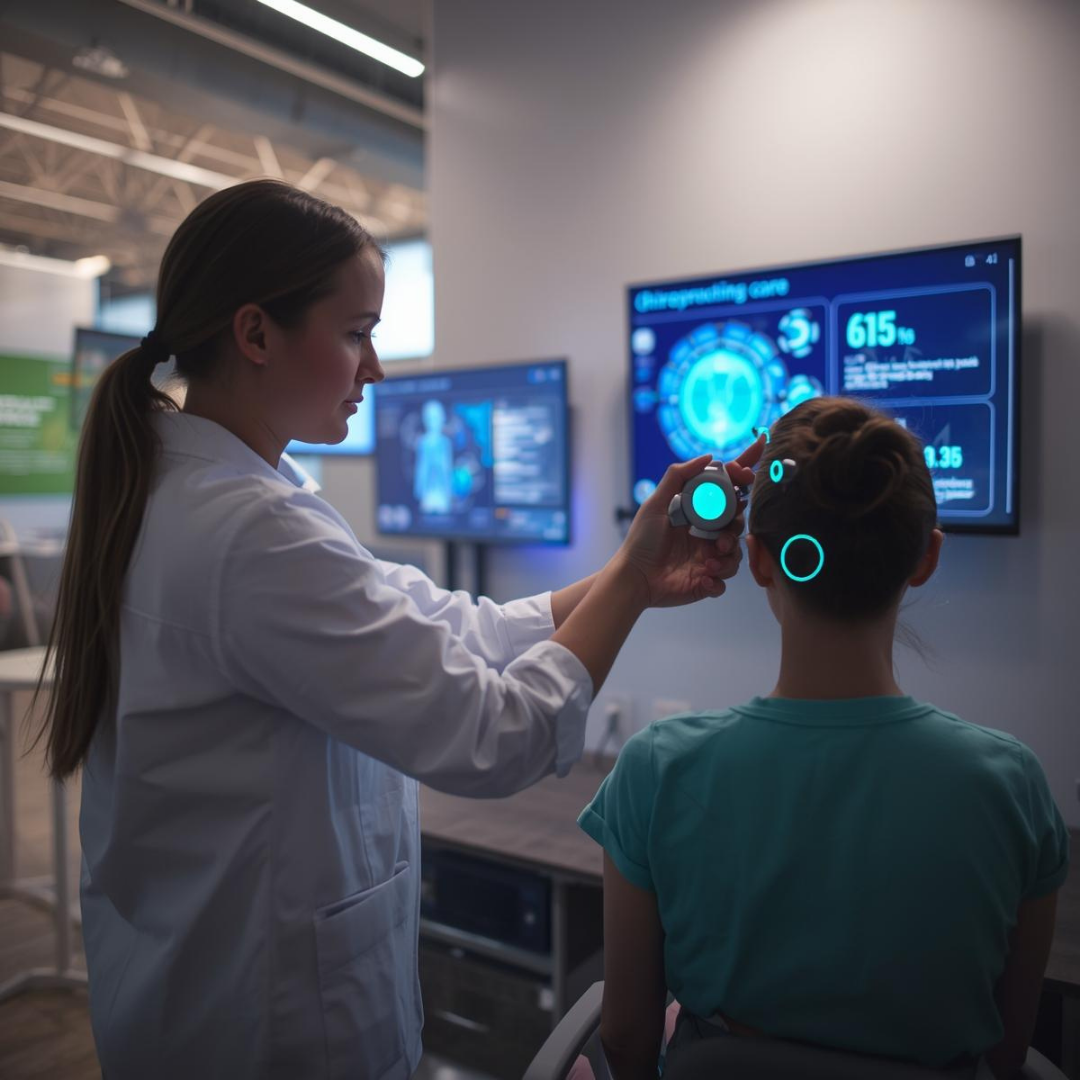
A quick overview of the topics covered in this article.
Latest articles

January 13, 2026

March 18, 2025

December 26, 2025

January 5, 2026

January 10, 2026

February 16, 2026

January 6, 2026
The Future of Centered Chiropractic Care
The integration of artificial intelligence (AI) into healthcare is revolutionizing [...]
The integration of artificial intelligence (AI) into healthcare is revolutionizing how medical professionals diagnose, treat, and manage patient care. Chiropractic care, a field focused on musculoskeletal health and spinal alignment, stands to benefit significantly from AI advancements. As technology evolves, AI promises to enhance diagnostic precision, personalize treatment plans, and streamline clinic operations, ultimately improving patient outcomes. Below, we explore the transformative potential of AI in chiropractic care.
The Future of Chiropractic Care: How AI Will Enhance Patient Outcomes
Enhanced Diagnostic Precision
AI’s ability to process complex data rapidly will redefine diagnostic accuracy in chiropractic practice. Key applications include:
- Advanced Imaging Analysis: AI algorithms will analyze MRIs, X-rays, and CT scans to detect subtle spinal misalignments, herniated discs, or degenerative conditions with greater accuracy than traditional methods.
- Early Detection of Issues: Machine learning models will identify patterns indicative of early-stage musculoskeletal conditions, enabling timely intervention to prevent chronic pain.
- Global Data Integration: AI will cross-reference patient data with international case studies, comparing symptomatology and treatment outcomes to reduce diagnostic uncertainty.
Personalized Treatment Plans
Chiropractic care is inherently individualized, and AI will elevate customization by leveraging patient-specific data:
- Tailored Interventions: AI will analyze patient history, lifestyle factors, and genetic predispositions to recommend the most effective techniques (e.g., spinal adjustments, soft tissue therapy).
- Dynamic Adjustments: Real-time monitoring of patient progress will allow AI to suggest modifications to treatment plans, ensuring optimal results.
- Lifestyle Integration: Algorithms will consider diet, activity levels, and ergonomic habits to advise complementary self-care strategies, such as posture correction exercises.
Predictive Analytics for Proactive Care
AI’s predictive capabilities will shift chiropractic care from reactive to preventive:
- Forecasting Condition Progression: Predictive models will estimate the likelihood of conditions worsening based on patient data, aiding in early intervention.
- Risk Assessment: AI will identify high-risk patients for conditions like osteoarthritis, enabling proactive measures to mitigate complications.
- Personalized Prevention: By analyzing trends, AI will recommend tailored preventive care, such as postural training for desk workers prone to spinal strain.
Streamlining Clinic Operations
AI will significantly improve the efficiency of chiropractic practices:
- Administrative Automation: Routine tasks like appointment scheduling, billing, and data entry will be managed by AI, reducing administrative burdens.
- Smart Scheduling: Algorithms will optimize appointment times to minimize wait times and resource allocation.
- Data Organization: AI will securely manage electronic health records (EHRs), ensuring seamless access to patient histories while maintaining privacy.
Improving Patient Engagement and Education
AI-driven tools will empower patients to take an active role in their care:
- 24/7 Virtual Assistants: AI chatbots will answer patient queries, from condition explanations to post-visit care instructions.
- Educational Resources: Personalized content via apps or emails will help patients understand their conditions and treatment goals.
- Adherence Support: Automated reminders for scheduled visits and home exercises will improve treatment compliance.
Enhancing Safety and Reducing Risks
AI will act as a safeguard against errors and enhance treatment efficacy:
- Diagnostic Error Reduction: By analyzing symptoms and imaging against vast datasets, AI will lower the risk of misdiagnosis.
- Avoiding Inappropriate Adjustments: Algorithms will flag risky procedures, ensuring adjustments are aligned with the patient’s unique anatomy and health profile.
- Efficacy Monitoring: AI will track long-term outcomes, identifying whether interventions require modification to avoid complications.
Integration with Wearable Technology
Wearable devices paired with AI will provide continuous insights into spinal health:
- Posture Monitoring: Sensors and AI will track posture throughout the day, alerting users to harmful positions in real time.
- Real-Time Feedback: Patients will receive instant corrections via wearable tech, reinforcing proper movement patterns.
- Data Collection: Long-term data from wearables will aid in assessing treatment effectiveness and refining care strategies.
Advancing Research and Evidence-Based Practices
AI will accelerate innovation in chiropractic care:
- Data-Driven Insights: By analyzing global patient datasets, AI will uncover correlations between treatments and outcomes, fueling evidence-based advancements.
- Identifying Trends: Patterns in data, such as the effectiveness of specific techniques for particular conditions, will guide best practices.
- Supporting New Methods: AI simulations will help develop and validate novel approaches, from rehabilitation exercises to ergonomic interventions.
Conclusion
The future of chiropractic care lies in the symbiotic relationship between human expertise and AI technology. From precision diagnostics to proactive patient engagement, AI will empower chiropractors to deliver more effective, individualized, and efficient care. As the field embraces these advancements, patients can look forward to reduced pain, faster recovery times, and a more holistic approach to musculoskeletal health. While AI is not a replacement for skilled practitioners, it will serve as an indispensable tool, ensuring that chiropractic care evolves to meet the demands of modern healthcare.
By staying informed and open to innovation, patients and practitioners alike can harness the power of AI to unlock new possibilities in spinal and overall well-being.
Read More:
Stress and the Spine: Seven Chiropractic Keys to Calm Your Life
More About Chiropractic
Board of Chiropractic Examiners
Share this article
A quick overview of the topics covered in this article.
Latest articles

January 26, 2026
January 10, 2026

February 9, 2026