
The 25 Pillars of Lumbar Health
Preserving the integrity of the lumbar spine is not a [...]
Preserving the integrity of the lumbar spine is not a matter of a single, magic bullet. Rather, achieving optimal lumbar health is the result of a dynamic and interconnected ecosystem of habits, movements, and conscious choices.
The 25 Pillars of Lumbar Health: A Holistic Blueprint
It is a portfolio of daily investments that, over time, yield a strong, resilient, and pain-free lower back. To move beyond simplistic advice, we must view this challenge through a holistic lens. Here are the top 25 contributors, organized into the foundational pillars that support your spine’s well-being.
I. The Foundation of Dynamic Support: Movement and Strength
A static spine is a vulnerable spine. Motion is lotion, and targeted strength provides the muscular corset that protects the lumbar vertebrae and discs.
- Core Engaging Exercises: Movements like planks and bird-dogs build profound, stabilizing strength in the deep abdominal and back muscles.
- Gluteal Activation: Strong glutes (bridges, squats) offload the lumbar spine during hip extension, preventing excessive lower back arching.
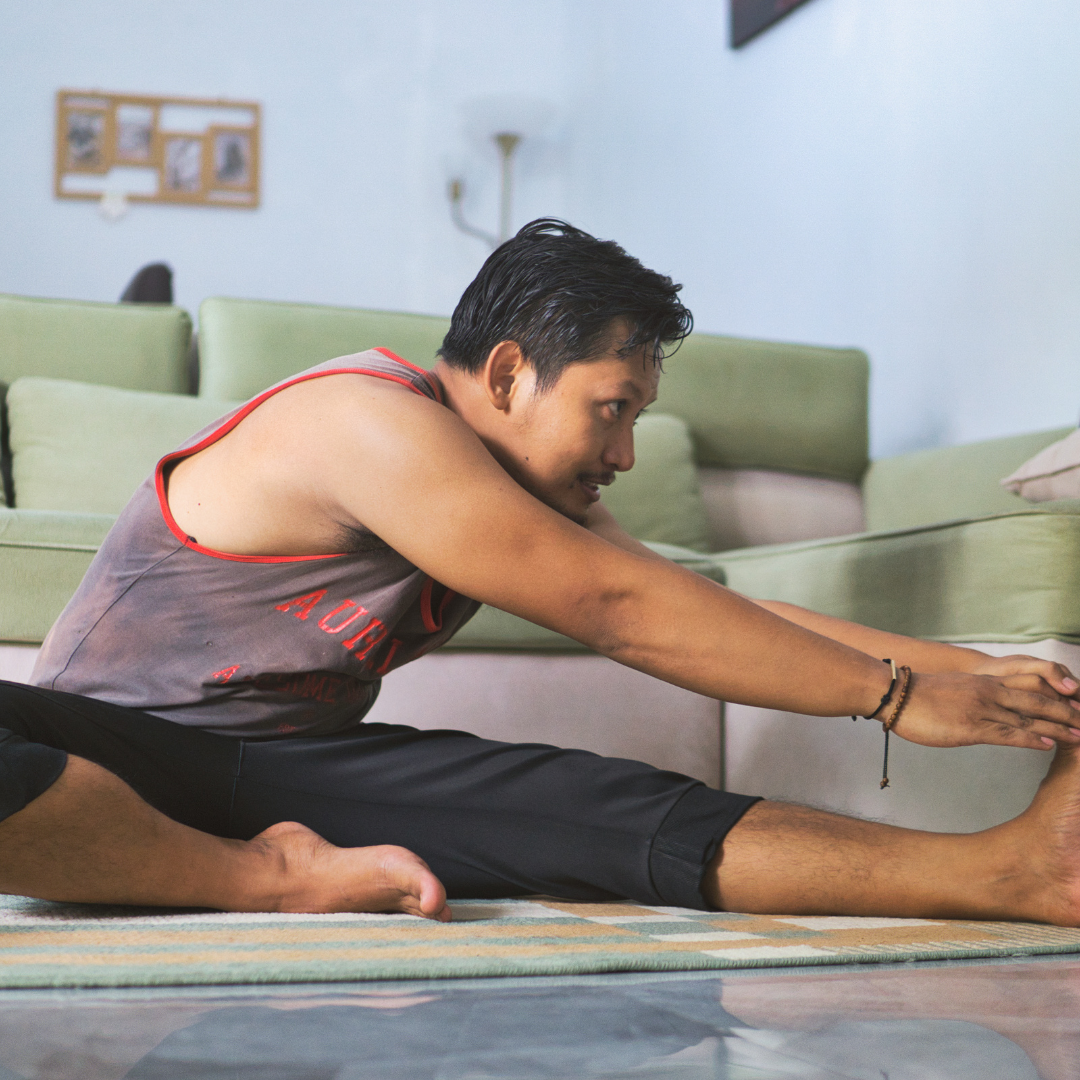
- Hamstring Flexibility: Tight hamstrings pull on the pelvis, encouraging a posterior pelvic tilt and flattening the lumbar curve, leading to stress.
- Hip Flexor Mobility: Conversely, tight hip flexors create an anterior pelvic tilt, compressing the lumbar joints. Regular stretching is key.
- Cardiovascular Health: Activities like brisk walking, cycling, or swimming enhance blood flow to spinal tissues, delivering nutrients and flushing out inflammatory byproducts.
- Frequent Movement Breaks: Interrupting prolonged sitting every 30-50 minutes prevents tissue creep and disc dehydration.
- Proper Lifting Mechanics: Always lift from the legs and hips, not the back, maintaining a neutral spine to protect against acute injury.
II The Architecture of Daily Life: Posture and Ergonomics
How we position our bodies throughout the day governs the cumulative load on our lumbar spine. Good posture is not a rigid position but a dynamic balance.
- Neutral Spine Posture: Maintaining the natural gentle curve in your lower back while sitting and standing.
- Optimized Workstation: An adjustable chair with lumbar support, a monitor at eye level, and feet flat on the floor are non-negotiable.
- Supportive Sleep Surfaces: A mattress and pillow that align the spine, preventing prolonged stress in an unhealthy position.
- Mindful Sitting Habits: Avoid slouching or perching on the edge of your chair. Sit back and use the backrest for support.
- Appropriate Footwear: Supportive shoes with proper cushioning reduce shock transmission up the kinetic chain to the spine.
- Balanced Carrying: Alternate shoulders for bags, use a backpack with dual straps, and avoid carrying excessive weight.
- Conscious Driving Posture: Adjust your seat to be close enough to the pedals to avoid slouching forward, and use a small lumbar support if needed.
III. The Internal Environment: Lifestyle and Systemic Health
The health of your spine is a reflection of your overall health. What you consume and how you manage your body’s internal state has a profound impact.
- Maintaining a Healthy Body Weight: Each excess pound, particularly around the midsection, adds significant stress to the lumbar structures.
- Anti-Inflammatory Nutrition: A diet rich in fruits, vegetables, omega-3s, and lean protein can help mitigate systemic inflammation that exacerbates back pain.
- Adequate Hydration: Spinal discs are primarily water. Proper hydration is essential for maintaining disc height and their shock-absorbing properties.
- Smoking Cessation: Smoking impairs blood flow, depriving spinal tissues of oxygen and nutrients, accelerating degenerative disc disease.
- Quality Sleep: This is when the body undergoes its most significant repairs. Prioritizing 7-9 hours of restorative sleep is critical for tissue healing.
- Stress Management: Chronic stress leads to muscle tension, particularly in the back and hips, and heightens the perception of pain.
IV. The Conscious Component: Mindfulness and Proactive Care
The final pillar is connecting the mind to the body, fostering awareness and taking pre-emptive action to protect your lumbar health.
- Proprioceptive Awareness (Body Sense): Developing a keen sense of your body’s position in space helps you self-correct poor posture before it becomes painful.
- Early Intervention: Addressing minor aches and stiffness immediately with gentle movement or stretching prevents them from becoming chronic issues.
- Mindful Breathing: Deep diaphragmatic breathing can calm the nervous system and release tension in the deep core muscles.
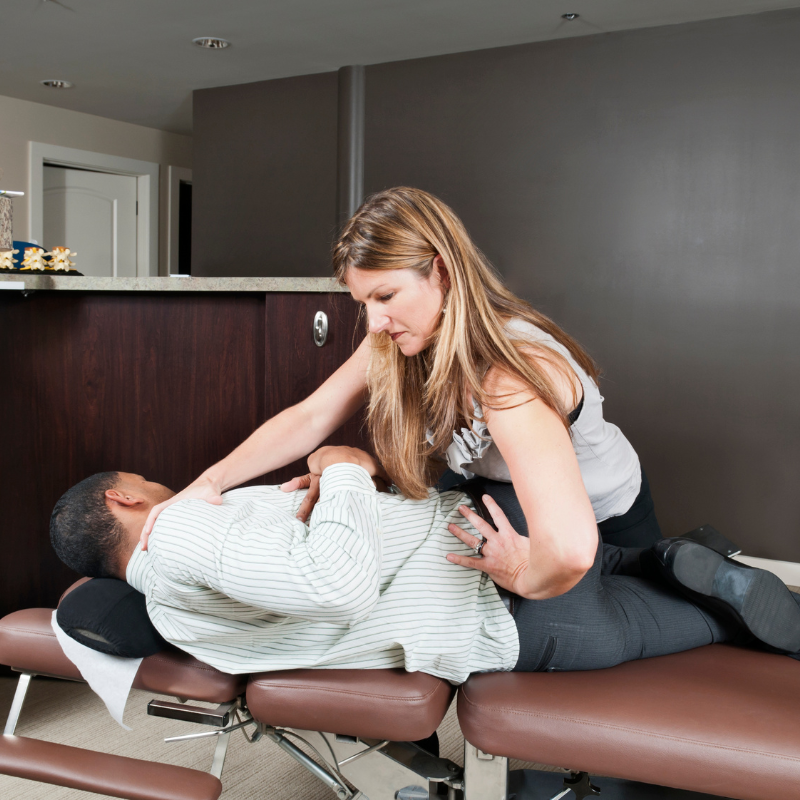
- Professional Guidance: Consulting with a physical therapist, chiropractor, or physician for persistent pain is a sign of strength, not weakness.
- Continued Education: Understanding your own body, its mechanics, and the specific vulnerabilities of your spine empowers you to make informed, lifelong choices for optimal lumbar health.
True lumbar health is not a destination but a continuous, intelligent practice. By integrating these 25 contributors into your life, you build a resilient foundation that not only prevents pain but also supports a more active, vibrant, and capable existence.
Read More:
More Lumbar Health
Chiropractic Care
Also Read:
Share this article

A quick overview of the topics covered in this article.
Latest articles

January 30, 2026
January 26, 2026

January 16, 2026
February 9, 2026

December 26, 2025

November 7, 2025

January 5, 2026

January 11, 2026
The 25 Pillars of Lumbar Health
Preserving the integrity of the lumbar spine is not a [...]
Preserving the integrity of the lumbar spine is not a matter of a single, magic bullet. Rather, achieving optimal lumbar health is the result of a dynamic and interconnected ecosystem of habits, movements, and conscious choices.
The 25 Pillars of Lumbar Health: A Holistic Blueprint
It is a portfolio of daily investments that, over time, yield a strong, resilient, and pain-free lower back. To move beyond simplistic advice, we must view this challenge through a holistic lens. Here are the top 25 contributors, organized into the foundational pillars that support your spine’s well-being.
I. The Foundation of Dynamic Support: Movement and Strength
A static spine is a vulnerable spine. Motion is lotion, and targeted strength provides the muscular corset that protects the lumbar vertebrae and discs.
- Core Engaging Exercises: Movements like planks and bird-dogs build profound, stabilizing strength in the deep abdominal and back muscles.
- Gluteal Activation: Strong glutes (bridges, squats) offload the lumbar spine during hip extension, preventing excessive lower back arching.
- Hamstring Flexibility: Tight hamstrings pull on the pelvis, encouraging a posterior pelvic tilt and flattening the lumbar curve, leading to stress.
- Hip Flexor Mobility: Conversely, tight hip flexors create an anterior pelvic tilt, compressing the lumbar joints. Regular stretching is key.
- Cardiovascular Health: Activities like brisk walking, cycling, or swimming enhance blood flow to spinal tissues, delivering nutrients and flushing out inflammatory byproducts.
- Frequent Movement Breaks: Interrupting prolonged sitting every 30-50 minutes prevents tissue creep and disc dehydration.
- Proper Lifting Mechanics: Always lift from the legs and hips, not the back, maintaining a neutral spine to protect against acute injury.
II The Architecture of Daily Life: Posture and Ergonomics
How we position our bodies throughout the day governs the cumulative load on our lumbar spine. Good posture is not a rigid position but a dynamic balance.
- Neutral Spine Posture: Maintaining the natural gentle curve in your lower back while sitting and standing.
- Optimized Workstation: An adjustable chair with lumbar support, a monitor at eye level, and feet flat on the floor are non-negotiable.
- Supportive Sleep Surfaces: A mattress and pillow that align the spine, preventing prolonged stress in an unhealthy position.
- Mindful Sitting Habits: Avoid slouching or perching on the edge of your chair. Sit back and use the backrest for support.
- Appropriate Footwear: Supportive shoes with proper cushioning reduce shock transmission up the kinetic chain to the spine.
- Balanced Carrying: Alternate shoulders for bags, use a backpack with dual straps, and avoid carrying excessive weight.
- Conscious Driving Posture: Adjust your seat to be close enough to the pedals to avoid slouching forward, and use a small lumbar support if needed.
III. The Internal Environment: Lifestyle and Systemic Health
The health of your spine is a reflection of your overall health. What you consume and how you manage your body’s internal state has a profound impact.
- Maintaining a Healthy Body Weight: Each excess pound, particularly around the midsection, adds significant stress to the lumbar structures.
- Anti-Inflammatory Nutrition: A diet rich in fruits, vegetables, omega-3s, and lean protein can help mitigate systemic inflammation that exacerbates back pain.
- Adequate Hydration: Spinal discs are primarily water. Proper hydration is essential for maintaining disc height and their shock-absorbing properties.
- Smoking Cessation: Smoking impairs blood flow, depriving spinal tissues of oxygen and nutrients, accelerating degenerative disc disease.
- Quality Sleep: This is when the body undergoes its most significant repairs. Prioritizing 7-9 hours of restorative sleep is critical for tissue healing.
- Stress Management: Chronic stress leads to muscle tension, particularly in the back and hips, and heightens the perception of pain.
IV. The Conscious Component: Mindfulness and Proactive Care
The final pillar is connecting the mind to the body, fostering awareness and taking pre-emptive action to protect your lumbar health.
- Proprioceptive Awareness (Body Sense): Developing a keen sense of your body’s position in space helps you self-correct poor posture before it becomes painful.
- Early Intervention: Addressing minor aches and stiffness immediately with gentle movement or stretching prevents them from becoming chronic issues.
- Mindful Breathing: Deep diaphragmatic breathing can calm the nervous system and release tension in the deep core muscles.
- Professional Guidance: Consulting with a physical therapist, chiropractor, or physician for persistent pain is a sign of strength, not weakness.
- Continued Education: Understanding your own body, its mechanics, and the specific vulnerabilities of your spine empowers you to make informed, lifelong choices for optimal lumbar health.
True lumbar health is not a destination but a continuous, intelligent practice. By integrating these 25 contributors into your life, you build a resilient foundation that not only prevents pain but also supports a more active, vibrant, and capable existence.
Read More:
More Lumbar Health
Chiropractic Care
Also Read:
Share this article
A quick overview of the topics covered in this article.
Latest articles

January 10, 2026
November 7, 2025

February 8, 2026