
12 Best Yoga Poses for Your Spine
In today’s sedentary world, spinal health is more important than [...]
In today’s sedentary world, spinal health is more important than ever. Hours spent at desks, hunched over smartphones, or sitting in cars can take a significant toll on your lumbar. Poor posture, stiffness, and chronic back pain are common concerns affecting millions. Fortunately, yoga offers a natural, holistic approach to maintaining and restoring spinal health. The spine is not just a structural pillar—it supports movement, protects the nervous system, and plays a vital role in overall well-being.
12 Best Yoga Poses for Your Spine: Enhance Flexibility, Strength, and Posture
Incorporating yoga into your routine can promote spinal flexibility, build core strength, and enhance alignment. This article highlights 12 of the best yoga poses for your lumbar health, each selected for their ability to decompress, strengthen, and nourish the spinal column.
Why Yoga Supports Spinal Health
The spinal column consists of 33 vertebrae, forming a complex structure that includes natural curves essential for balance and shock absorption. Daily stress, repetitive motion, and lack of movement can lead to misalignment and discomfort. Yoga counteracts these effects by:
- Stretching tight muscles surrounding the spine
- Encouraging spinal mobility through gentle extension and flexion
- Strengthening the core to support proper posture
- Improving circulation to spinal discs and nerves
Regular practice helps maintain the natural curvature of the spine, reduces pressure on intervertebral discs, and fosters greater body awareness.
Below is a list of 12 spine-nourishing yoga poses, suitable for most levels, with modifications available for beginners.
1. Cat-Cow Stretch (Marjaryasana-Bitilasana)
A foundational warm-up that gently mobilizes the entire spinal column.
Benefits: Increases spinal flexibility, massages the vertebrae, and improves coordination between breath and movement.
How to Practice: Begin on hands and knees. Inhale as you arch your back (Cow), lifting your chest and tailbone. Exhale as you round your spine (Cat), tucking your chin and pelvis. Repeat for 1–2 minutes.
2. Child’s Pose (Balasana)
A restorative pose that gently elongates the back.
Benefits: Relieves tension in the lower back and promotes relaxation.
How to Practice: Kneel and sit back on your heels, stretching your arms forward and forehead to the mat. Breathe deeply, allowing the spine to release downward.
3. Downward-Facing Dog (Adho Mukha Svanasana)
A cornerstone pose that decompresses the the spinal column and strengthens supporting muscles.
Benefits: Lengthens the spine, stretches the hamstrings, and improves circulation.
Tip: Bend your knees slightly if your lower back feels tight.
4. Cobra Pose (Bhujangasana)
A gentle backbend that strengthens the spine and opens the chest.
Benefits: Builds endurance in spinal extensors, improves posture, and counteracts forward hunching.
Hold for: 15–30 seconds; avoid overarching if you have disc issues.
5. Sphinx Pose (Setu Bandhasana variation)
A milder alternative to Cobra, ideal for those with sensitive backs.
Benefits: Provides gentle spinal extension while engaging the glutes and lower back muscles.
How to Practice: Lie on your stomach, prop yourself up on your forearms, and press the pelvis gently into the mat.
6. Bridge Pose (Setu Bandha Sarvangasana)
An accessible backbend that supports spine health and relieves tension.
Benefits: Opens the chest, strengthens the glutes and lower back, and gently stretches the spine.
Modify: Place a block under the sacrum for support.
7. Seated Forward Bend (Paschimottanasana)
Stretches the entire posterior chain, from spine to hamstrings.
Benefits: Calms the nervous system and lengthens the spine as you hinge forward from the hips.
Tip: Keep your spine long; bend knees as needed.
8. Supine Twist (Supta Matsyendrasana)
A lying twist that improves spinal rotation and releases tension.
Benefits: Enhances spinal mobility, massages internal organs, and aids digestion.
How to Practice: Lie on your back, hug one knee to your chest, and gently guide it across your body with the opposite hand.
9. Thread the Needle Pose
A shoulder and upper back release that targets spinal tension.
Benefits: Reduces stiffness in the thoracic spine and enhances shoulder mobility.
Variation: Can be done lying down or in tabletop position.
10. Half Lord of the Fishes Pose (Ardha Matsyendrasana)
A classic seated twist that deeply mobilizes the spine.
Benefits: Stimulates spinal nerves, improves digestion, and enhances vertebral rotation.
Key: Sit tall and twist from the base of the spine upward.
11. Legs-Up-the-Wall Pose (Viparita Karani)
A passive inversion that decompresses the spine and reduces lower back strain.
Benefits: Relieves swelling, promotes circulation, and encourages spinal relaxation.
How to Practice: Lie on your back with legs extended vertically against a wall.
12. Corpse Pose (Savasana)
The ultimate relaxation pose for spinal integration.
Benefits: Allows the spine to settle into neutral alignment, reduces muscle tension, and supports nervous system recovery.
Duration: 5–10 minutes with attention to breath and body awareness.
Tips for Practicing Yoga Safely for Spinal Health
Always warm up before attempting deeper backbends or twists.
Move mindfully—avoid jerky or forceful movements.
Engage your core to support the lower back.
Use props (blocks, straps, bolsters) to adapt poses to your body.
Consult a healthcare provider if you have disc issues or chronic back pain.
Conclusion
The lumbar is central to physical and energetic well-being. By integrating these 12 yoga poses for your spine into your regular practice, you nurture flexibility, strength, and alignment—key components of long-term spinal health. Whether you’re recovering from discomfort or proactively maintaining a strong back, yoga offers accessible, evidence-based tools to support your journey.
Remember, consistency is more impactful than intensity. Even 15–20 minutes a day can make a significant difference in how your spine feels and functions. Listen to your body, honor its limits, and let your spine thrive with mindful movement.
Learn More
Share this article
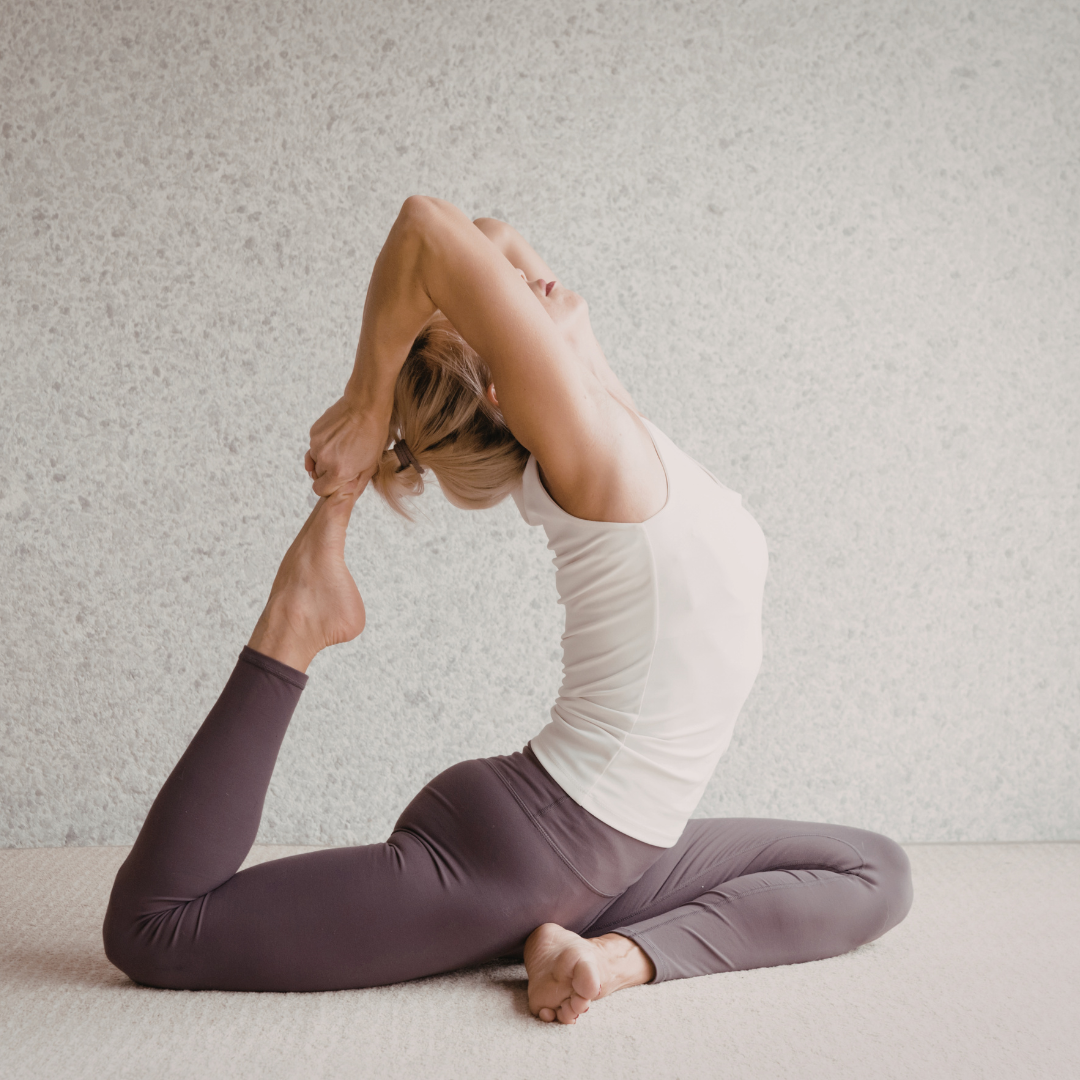
A quick overview of the topics covered in this article.
Latest articles

January 13, 2026

January 6, 2026

February 9, 2026

February 16, 2026
March 18, 2025
January 11, 2026


12 Best Yoga Poses for Your Spine
In today’s sedentary world, spinal health is more important than [...]
In today’s sedentary world, spinal health is more important than ever. Hours spent at desks, hunched over smartphones, or sitting in cars can take a significant toll on your lumbar. Poor posture, stiffness, and chronic back pain are common concerns affecting millions. Fortunately, yoga offers a natural, holistic approach to maintaining and restoring spinal health. The spine is not just a structural pillar—it supports movement, protects the nervous system, and plays a vital role in overall well-being.
12 Best Yoga Poses for Your Spine: Enhance Flexibility, Strength, and Posture
Incorporating yoga into your routine can promote spinal flexibility, build core strength, and enhance alignment. This article highlights 12 of the best yoga poses for your lumbar health, each selected for their ability to decompress, strengthen, and nourish the spinal column.
Why Yoga Supports Spinal Health
The spinal column consists of 33 vertebrae, forming a complex structure that includes natural curves essential for balance and shock absorption. Daily stress, repetitive motion, and lack of movement can lead to misalignment and discomfort. Yoga counteracts these effects by:
- Stretching tight muscles surrounding the spine
- Encouraging spinal mobility through gentle extension and flexion
- Strengthening the core to support proper posture
- Improving circulation to spinal discs and nerves
Regular practice helps maintain the natural curvature of the spine, reduces pressure on intervertebral discs, and fosters greater body awareness.
Below is a list of 12 spine-nourishing yoga poses, suitable for most levels, with modifications available for beginners.
1. Cat-Cow Stretch (Marjaryasana-Bitilasana)
A foundational warm-up that gently mobilizes the entire spinal column.
Benefits: Increases spinal flexibility, massages the vertebrae, and improves coordination between breath and movement.
How to Practice: Begin on hands and knees. Inhale as you arch your back (Cow), lifting your chest and tailbone. Exhale as you round your spine (Cat), tucking your chin and pelvis. Repeat for 1–2 minutes.
2. Child’s Pose (Balasana)
A restorative pose that gently elongates the back.
Benefits: Relieves tension in the lower back and promotes relaxation.
How to Practice: Kneel and sit back on your heels, stretching your arms forward and forehead to the mat. Breathe deeply, allowing the spine to release downward.
3. Downward-Facing Dog (Adho Mukha Svanasana)
A cornerstone pose that decompresses the the spinal column and strengthens supporting muscles.
Benefits: Lengthens the spine, stretches the hamstrings, and improves circulation.
Tip: Bend your knees slightly if your lower back feels tight.
4. Cobra Pose (Bhujangasana)
A gentle backbend that strengthens the spine and opens the chest.
Benefits: Builds endurance in spinal extensors, improves posture, and counteracts forward hunching.
Hold for: 15–30 seconds; avoid overarching if you have disc issues.
5. Sphinx Pose (Setu Bandhasana variation)
A milder alternative to Cobra, ideal for those with sensitive backs.
Benefits: Provides gentle spinal extension while engaging the glutes and lower back muscles.
How to Practice: Lie on your stomach, prop yourself up on your forearms, and press the pelvis gently into the mat.
6. Bridge Pose (Setu Bandha Sarvangasana)
An accessible backbend that supports spine health and relieves tension.
Benefits: Opens the chest, strengthens the glutes and lower back, and gently stretches the spine.
Modify: Place a block under the sacrum for support.
7. Seated Forward Bend (Paschimottanasana)
Stretches the entire posterior chain, from spine to hamstrings.
Benefits: Calms the nervous system and lengthens the spine as you hinge forward from the hips.
Tip: Keep your spine long; bend knees as needed.
8. Supine Twist (Supta Matsyendrasana)
A lying twist that improves spinal rotation and releases tension.
Benefits: Enhances spinal mobility, massages internal organs, and aids digestion.
How to Practice: Lie on your back, hug one knee to your chest, and gently guide it across your body with the opposite hand.
9. Thread the Needle Pose
A shoulder and upper back release that targets spinal tension.
Benefits: Reduces stiffness in the thoracic spine and enhances shoulder mobility.
Variation: Can be done lying down or in tabletop position.
10. Half Lord of the Fishes Pose (Ardha Matsyendrasana)
A classic seated twist that deeply mobilizes the spine.
Benefits: Stimulates spinal nerves, improves digestion, and enhances vertebral rotation.
Key: Sit tall and twist from the base of the spine upward.
11. Legs-Up-the-Wall Pose (Viparita Karani)
A passive inversion that decompresses the spine and reduces lower back strain.
Benefits: Relieves swelling, promotes circulation, and encourages spinal relaxation.
How to Practice: Lie on your back with legs extended vertically against a wall.
12. Corpse Pose (Savasana)
The ultimate relaxation pose for spinal integration.
Benefits: Allows the spine to settle into neutral alignment, reduces muscle tension, and supports nervous system recovery.
Duration: 5–10 minutes with attention to breath and body awareness.
Tips for Practicing Yoga Safely for Spinal Health
Always warm up before attempting deeper backbends or twists.
Move mindfully—avoid jerky or forceful movements.
Engage your core to support the lower back.
Use props (blocks, straps, bolsters) to adapt poses to your body.
Consult a healthcare provider if you have disc issues or chronic back pain.
Conclusion
The lumbar is central to physical and energetic well-being. By integrating these 12 yoga poses for your spine into your regular practice, you nurture flexibility, strength, and alignment—key components of long-term spinal health. Whether you’re recovering from discomfort or proactively maintaining a strong back, yoga offers accessible, evidence-based tools to support your journey.
Remember, consistency is more impactful than intensity. Even 15–20 minutes a day can make a significant difference in how your spine feels and functions. Listen to your body, honor its limits, and let your spine thrive with mindful movement.
Learn More
Share this article
A quick overview of the topics covered in this article.
Latest articles
March 16, 2025

March 4, 2026

September 22, 2025